

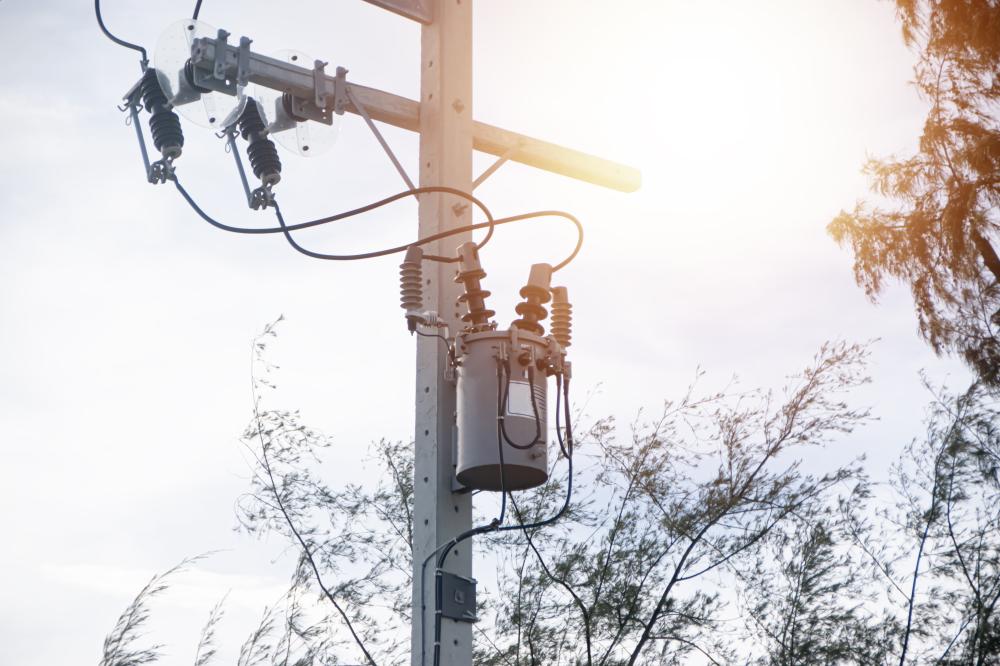
What is Transient Voltage Surge Suppression?
Transient Voltage Surge Suppression, commonly known as TVSS, is a crucial technology for safeguarding electronic equipment. In simple terms, it protects devices from unexpected power surges, which can range from small spikes caused by switching loads to massive jolts from lightning strikes. As someone who has spent over 20 years in the energy sector, I’ve seen firsthand how critical this protection is. Power surges can lead to costly damages, equipment failures, and, in severe cases, complete operational shutdowns.
Over the years, the technology has evolved. Today’s TVSS devices, often referred to under the broader term Surge Protective Devices (SPD), are essential in any modern electrical setup. The importance of making an informed choice cannot be overstated, as the integrity of your entire power system might depend on it. With my extensive experience, I can say that integrating TVSS is not just about compliance but about proactively protecting your business.
Different Types of TVSS Devices
Not all Transient Voltage Surge Suppression devices are the same. They are categorized based on their installation points and usage environments. Here’s a quick breakdown:
- Type 1 TVSS: Usually installed at the utility entrance, providing the first line of defense against external surges.
- Type 2 TVSS: Located at the distribution panel to safeguard internal circuits.
- Type 3 TVSS: Plug-in devices like power strips, which are directly connected to the equipment.
- Type 4 TVSS: Used in industrial settings to protect equipment like PLCs and servo motors.
Choosing the right type requires a deep understanding of the facility’s electrical layout. At Energy Control Systems, our team specializes in analyzing specific requirements and recommending suitable solutions. Ensuring the correct installation and maintenance is vital for the efficacy of these devices, a process we’ve mastered through decades of operation.
Why Proper Installation Matters
Proper installation of Transient Voltage Surge Suppression devices is imperative. To ensure maximum protection, specialists must consider factors such as the environment, existing electrical infrastructure, and potential surge sources. Incorrect installation can render the device ineffective, leaving your systems vulnerable.
Here’s an outline of the installation process:
- Site Assessment: Conduct a thorough analysis of the existing electrical systems.
- Choosing the Right TVSS: Based on the requirements, select the appropriate type of device.
- Installation: Follow manufacturer guidelines to properly install the device at designated locations.
- Testing: Ensure the device is functioning correctly post-installation.
- Regular Maintenance: Schedule periodic checks to maintain device efficiency.
These steps ensure that the TVSS devices are fully functional, delivering the necessary protection. Being in the field for over two decades, I’ve seen how a meticulous approach to installation can be the difference in preventing catastrophic equipment failures.
Answering Common Concerns About TVSS
One question clients often ask is, “What qualifies as a transient voltage surge suppression emergency?” Any unexpected surge that threatens your equipment’s integrity is an emergency. Immediate assessment and action are crucial to prevent potential damage.
While no system is foolproof, modern TVSS devices offer impressive protection when correctly implemented. Another common concern is their compatibility with uninterruptible power supplies (UPS). While a UPS is essential for preventing data loss during power outages, it doesn’t inherently protect against power surges. Integrating TVSS with your UPS system ensures comprehensive protection.
Many are also concerned about maintenance. Fortunately, TVSS devices require minimal upkeep, often limited to periodic inspections and testing. Ensuring sustained protection is feasible with our dedicated team at Energy Control Systems, ready to assist with all maintenance needs.
The Future of Surge Protection
The landscape of surge protection is rapidly evolving with technological advancements. Innovations in materials and design are leading to devices that not only offer superior protection but are also more energy-efficient. The shift towards smart grids and increased reliance on renewable energy sources further underscores the importance of advanced surge protection.
As the industry continues to grow, Energy Control Systems remains at the forefront, embracing these advancements. Our commitment is to deliver the best solutions to our clients, ensuring their businesses operate smoothly and efficiently. With over 30 years in the field, we’ve witnessed many changes and continuously adapt to offer cutting-edge energy solutions.
Understanding that Transient Voltage Surge Suppression is a critical component of any energy management strategy, we take pride in providing not only products but comprehensive services that guarantee long-term reliability and safety.
Can TVSS Benefit Your Business?
Investing in Transient Voltage Surge Suppression is not merely about protecting your equipment. It’s about ensuring business continuity, minimizing downtime, and ultimately maximizing profits. With the rise of complex electronic systems, the stakes are higher than ever.
Practical examples from my career highlight businesses that avoided critical failures thanks to TVSS. By preventing power surge damage, they’ve saved on repair costs and maintained operational efficiency. Considering the relative low cost of these devices, the ROI is significant.
In conclusion, whether you’re running a small office or a massive industrial operation, integrating TVSS is a strategic decision. At Energy Control Systems, we’re committed to guiding you through this process with tailored solutions that meet your specific needs.
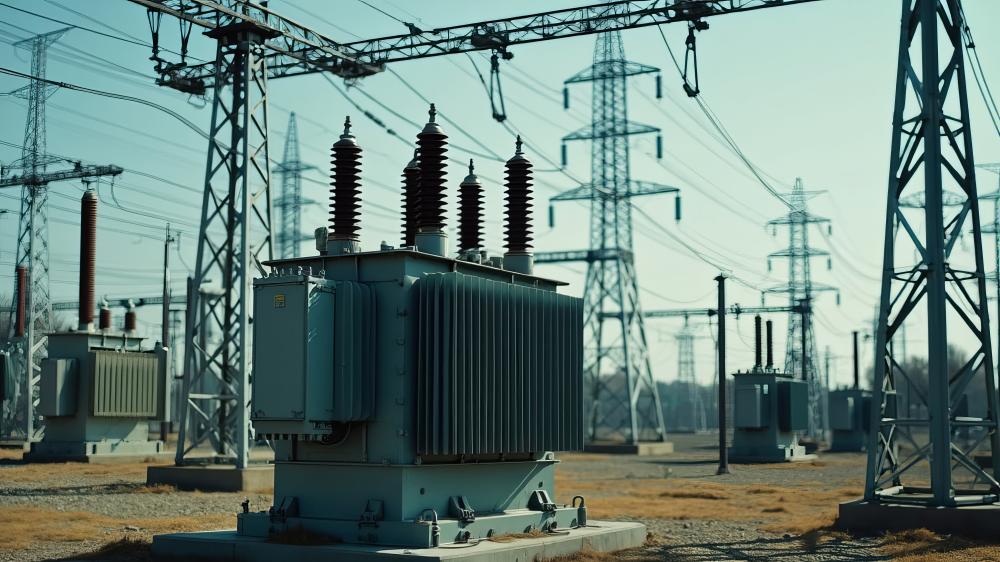
What exactly is Transient Voltage Surge Suppression, and why does it matter for my business?
Transient Voltage Surge Suppression (TVSS) is crucial for protecting electronic equipment from voltage surges, which can damage or destroy hardware. Imagine a sudden lightning strike causing a power surge; without TVSS, your devices are at risk of irreversible damage, potentially leading to costly repairs and downtime. For a business, this could mean halted operations and loss of revenue. At Energy Control Systems, we emphasize the importance of implementing TVSS as a proactive strategy to safeguard your investments and maintain operational continuity.
What are the different types of TVSS devices, and how do I know which one I need?
TVSS devices vary mainly by installation point and intended use. Type 1 devices are placed at the utility entrance to tackle external surges. Type 2 sit at the distribution panel for internal circuit protection, while Type 3 are plug-in solutions like power strips directly for equipment protection. Lastly, Type 4 are for industrial use, securing equipment like PLCs. To determine the best fit, you need a thorough understanding of your electrical setup. Our team at Energy Control Systems is skilled at evaluating your needs and providing tailored solutions, ensuring you get the most effective protection.
Why is proper installation of TVSS devices so critical?
Proper installation of TVSS devices is essential to maximize their effectiveness. Incorrect installation could leave your systems unprotected. It involves site assessments, selecting the right type of device, precise installation, testing, and regular maintenance. These steps ensure that the TVSS provides the expected protection. With two decades of experience, Energy Control Systems knows that attention to detail during installation can prevent devastating equipment failures, saving time and money in the long run.
What are the common concerns about TVSS, and how does Energy Control Systems address them?
A frequent concern is whether TVSS can handle all types of surges. While no system is perfect, modern TVSS devices significantly reduce risks when properly integrated. Another issue is compatibility with UPS systems. A UPS doesn’t inherently guard against surges, but our team ensures that your TVSS and UPS work together for comprehensive protection. Maintenance is also a common worry. Thankfully, our TVSS devices require minimal upkeep, with regular inspections and testing offered by our expert team to ensure continuous protection.
What does the future hold for surge protection, and how is Energy Control Systems preparing for it?
The future of surge protection is promising, driven by advancements in technology and materials. Devices are becoming more energy-efficient and adaptable to smart grids and renewable energy systems. At Energy Control Systems, we’re actively embracing these innovations to provide our clients with cutting-edge solutions. Our commitment is to stay at the forefront of the industry, ensuring that you benefit from the latest developments that align with the evolving energy landscape.
How does investing in TVSS benefit my business, beyond just protecting equipment?
Investing in TVSS is a strategic decision that safeguards your equipment and ensures business continuity. By preventing power surge damage, you avoid costly repairs and downtime. For instance, a manufacturing plant we worked with prevented significant disruptions by integrating a tailored TVSS solution, ultimately saving on repair costs and maximizing profits. The return on investment with these devices is substantial, given their relatively low cost compared to potential losses from equipment failure.
Can you provide a real-world example of how TVSS has protected businesses from power surges?
Certainly! A retail chain we partnered with experienced frequent power surges due to local utility issues. By deploying Type 1 and Type 2 TVSS devices at strategic points, we helped mitigate the surges that previously resulted in frequent point-of-sale system failures. As a result, their operations ran smoothly, reducing downtime and maintaining customer satisfaction. This proactive approach not only protected their equipment but also reinforced their reputation for reliability. Have you considered how such protection could benefit your business continuity?
Resources
- U.S. Department of Energy – The official website of the U.S. Department of Energy, providing valuable information on energy technology, policies, and resources.
- IEEE – The Institute of Electrical and Electronics Engineers is a leading authority in technical areas ranging from computer engineering to telecommunications.
- National Fire Protection Association – The NFPA offers standards and resources for fire protection and electrical safety, including guidelines on surge protection.
- National Institute of Standards and Technology – NIST is a non-regulatory federal agency that promotes innovation and industrial competitiveness by advancing measurement science, standards, and technology.